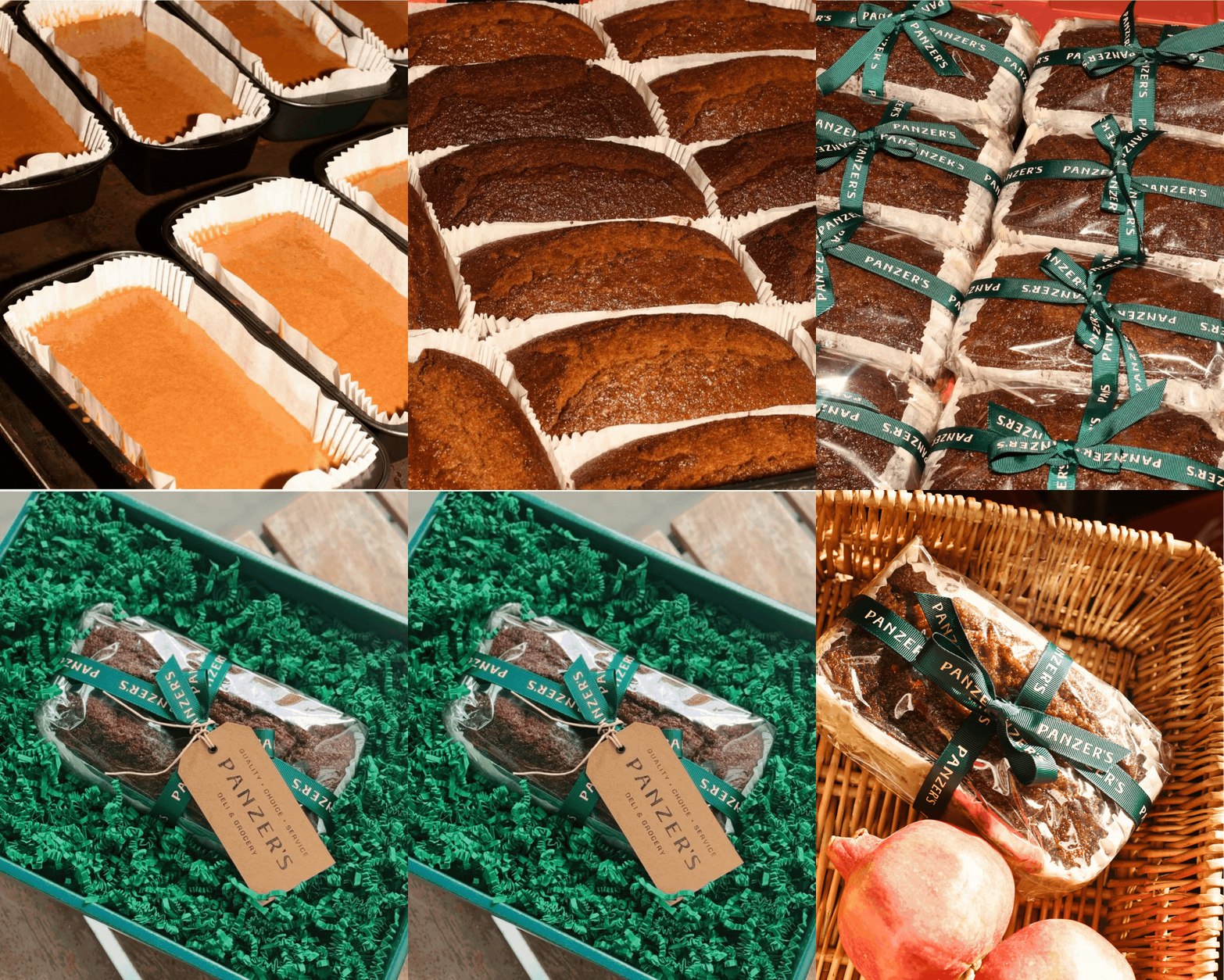
Every year, as summer fades and the promise of autumn fills the air, we begin preparing for one of the most beautiful and hopeful moments in the Jewish calendar: Rosh Hashanah, the Jewish New Year.
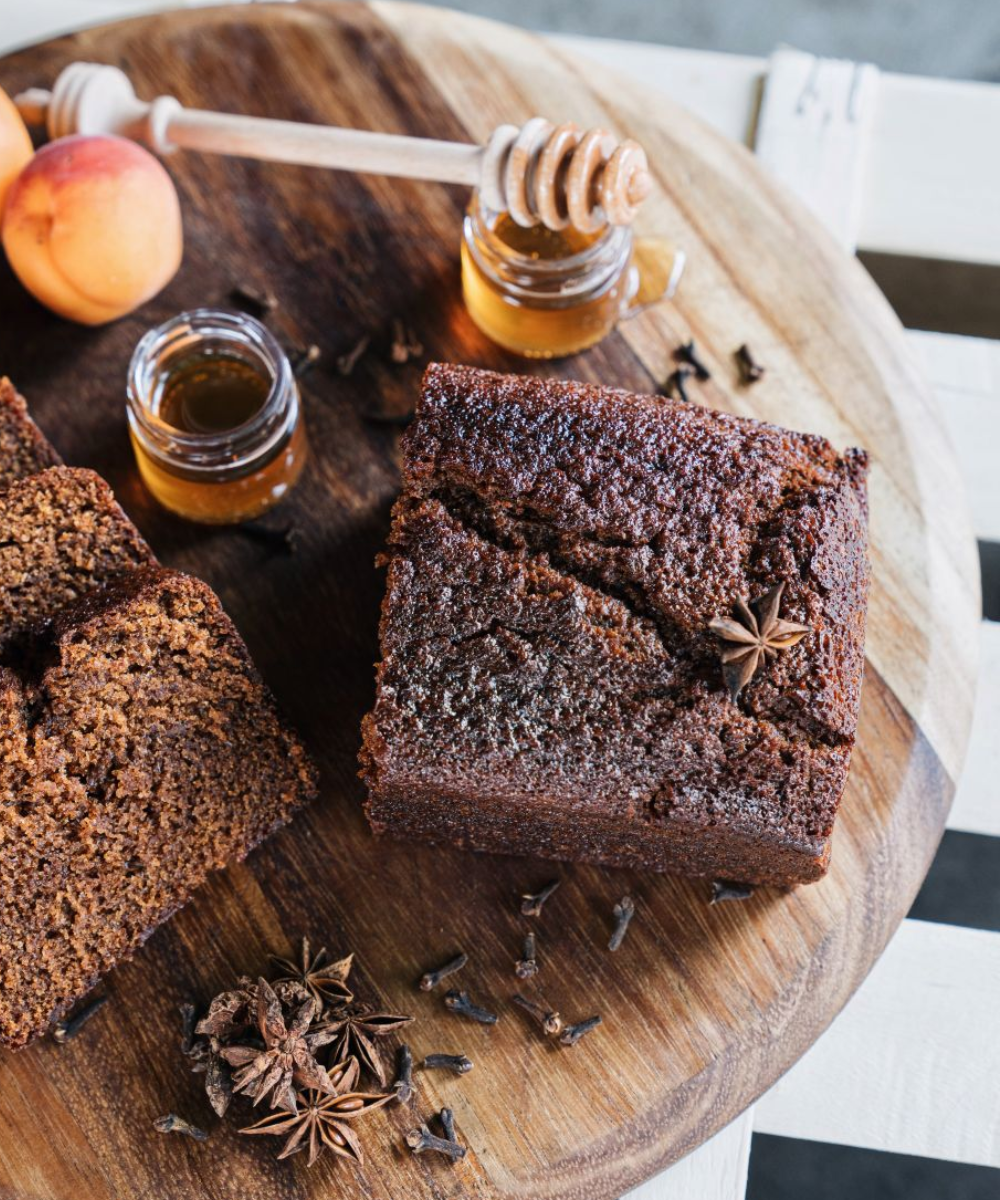
It is a time of reflection, renewal, and most importantly, sweetness. At Panzer’s, we mark this special occasion with something both simple and symbolic: our much-loved, home-made honey cake.
This isn’t just any cake. Known traditionally as “lekach”, honey cake has been baked in Jewish homes for centuries, filling kitchens with its warm aroma and symbolising the hope for a sweet and prosperous year ahead.
It is an essential part of the Rosh Hashanah holiday, such as apples dipped in honey or the sound of the Shofar. And here at Panzer’s, it has become one of our most treasured traditions – one that we’re delighted to share with you, year after year.
The History of Honey Cake
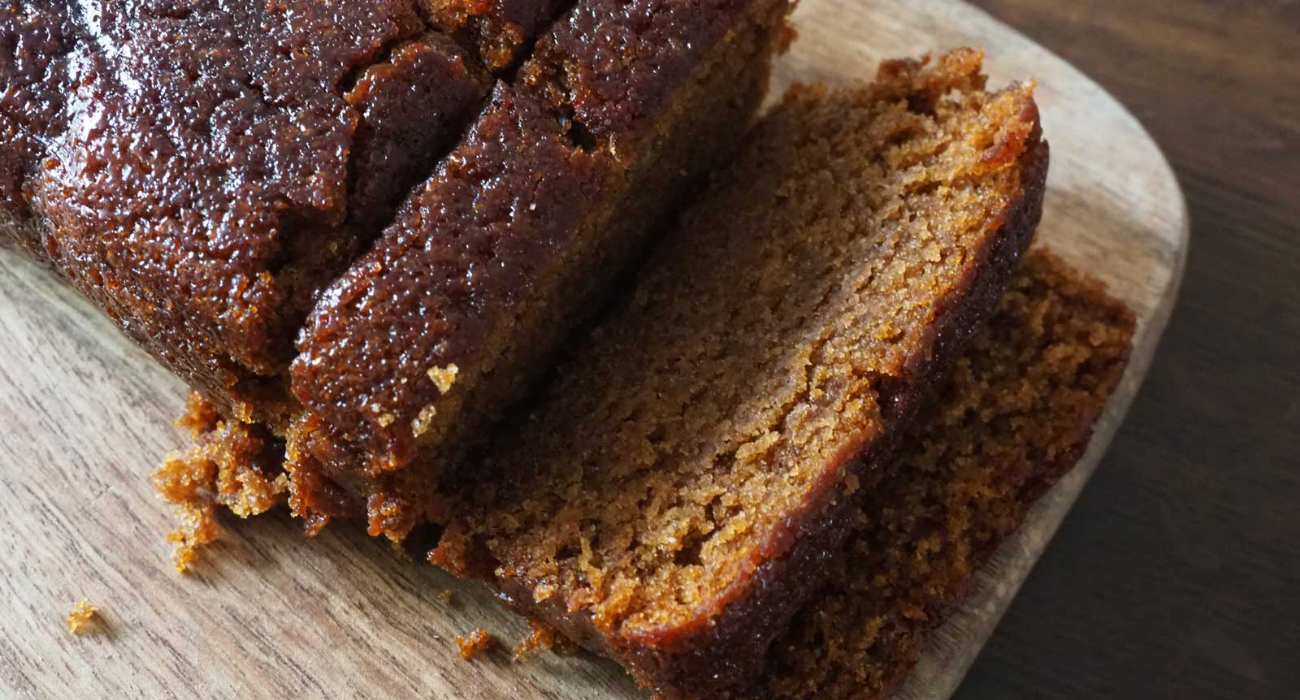
Honey cake’s story is a true culinary odyssey, echoing the migrations and creativity of the Jewish Diaspora.
What began as simple crumbs of bread mashed with honey slowly evolved over centuries and across continents – into the sweet, warmly spiced cake that we eat today.
Honey was already cherished by the ancient Egyptians and Romans, who would often blend it with yeast or barley to make early, rudimentary cakes.
But the honey cake that we recognise first appeared in 12th-century Italy, as a dense, highly spiced delicacy resembling panforte.
Around the same time, similar dense honey cakes ( which later developed into “gingerbread”) made their way north to Central Europe and reached Ashkenazi Jewish kitchens.
According to the Encyclopedia of Jewish Food, the first mention of the Ashkenazi honey cake dates back to 1105, describing a dish that resembled a fine-floured challah sweetened with honey.
By 1200, in Germany, the cake had acquired the name still used today: “lekach”.
It would become an enduring symbol, both of resilience and celebration, passed from one generation to the next, adapting to new lands and kitchens, yet always representing the spirit of sweetness at the heart of Jewish life.
Honey cake’s story is a true culinary odyssey, echoing the migrations and creativity of the Jewish Diaspora.
What began as simple crumbs of bread mashed with honey slowly evolved over centuries and across continents – into the sweet, warmly spiced cake that we eat today.
Honey was already cherished by the ancient Egyptians and Romans, who would often blend it with yeast or barley to make early, rudimentary cakes.
But the honey cake that we recognise first appeared in 12th-century Italy, as a dense, highly spiced delicacy resembling panforte.
Around the same time, similar dense honey cakes ( which later developed into “gingerbread”) made their way north to Central Europe and reached Ashkenazi Jewish kitchens.
According to the Encyclopedia of Jewish Food, the first mention of the Ashkenazi honey cake dates back to 1105, describing a dish that resembled a fine-floured challah sweetened with honey.
By 1200, in Germany, the cake had acquired the name still used today: “lekach”.
It would become an enduring symbol, both of resilience and celebration, passed from one generation to the next, adapting to new lands and kitchens, yet always representing the spirit of sweetness at the heart of Jewish life.
A Recipe Through Generations
Our honey cake is more than food. What makes this honey cake so special is that it represents more than one tradition. It is not just a Rosh Hashanah staple – it is also a symbol of Panzer’s own history.
Our recipe has been passed down through four generations, lovingly preserved and only ever refined to bring out the best of what it offers. There is a good reason our customers return for it every year, often telling us that it tastes just like the cakes their mothers or grandmothers used to make – or in some cases, even better.
At Panzer’s, we are always humbled by the stories customers share with us about our honey cake. Some gift it to parents or grandparents as a way of honouring family tradition. Others order extra to send across the country so loved ones can still “taste home,” even when miles apart.
Quite often, customers tell us it reminds them of sitting at the table as children, surrounded by family, with a slice of cake and a glass of tea in hand. These stories are why we do what we do – it’s about being part of the memories we carry and pass on.
The cake is a true symbol of the season, baked exclusively for Rosh Hashanah and carefully wrapped by hand, making it a perfect gift to share, cherish, and enjoy.
An Award-Winning Slice of Sweetness
This year, we are thrilled to share some exciting news: our honey cake was awarded ONE STAR AT THE GREAT TASTE AWARDS.
For us, the award is not just about the star–although it made us very proud. It is about the recognition of the care and craft that goes into every single cake.
Pre-Order and Celebrate with Us
As always, you will be able to get your honey cake in time for your celebration. You can now order your honey cake online or visit us in-store. Deliveries begin from 12th September, so whether you are shopping ahead or stopping by in person, you will have your cake ready in time for the celebration.
The holidays can be busy, but our honey cake offers a moment to pause, savour, and enjoy a slice of calm sweetness.
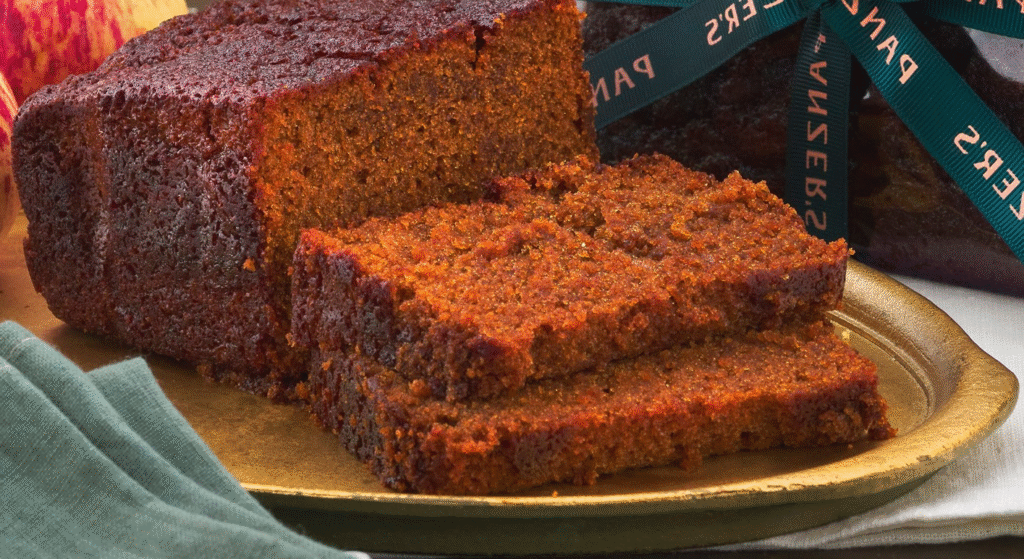
We wish you a Rosh Hashanah filled with blessings, good health and the comfort of traditions old and new.
L’SHANAH TOVAH UMETUKAH
May You Have a Sweet and Happy New Year!